

Registered Nurse | Healthcare Experience Since 2009
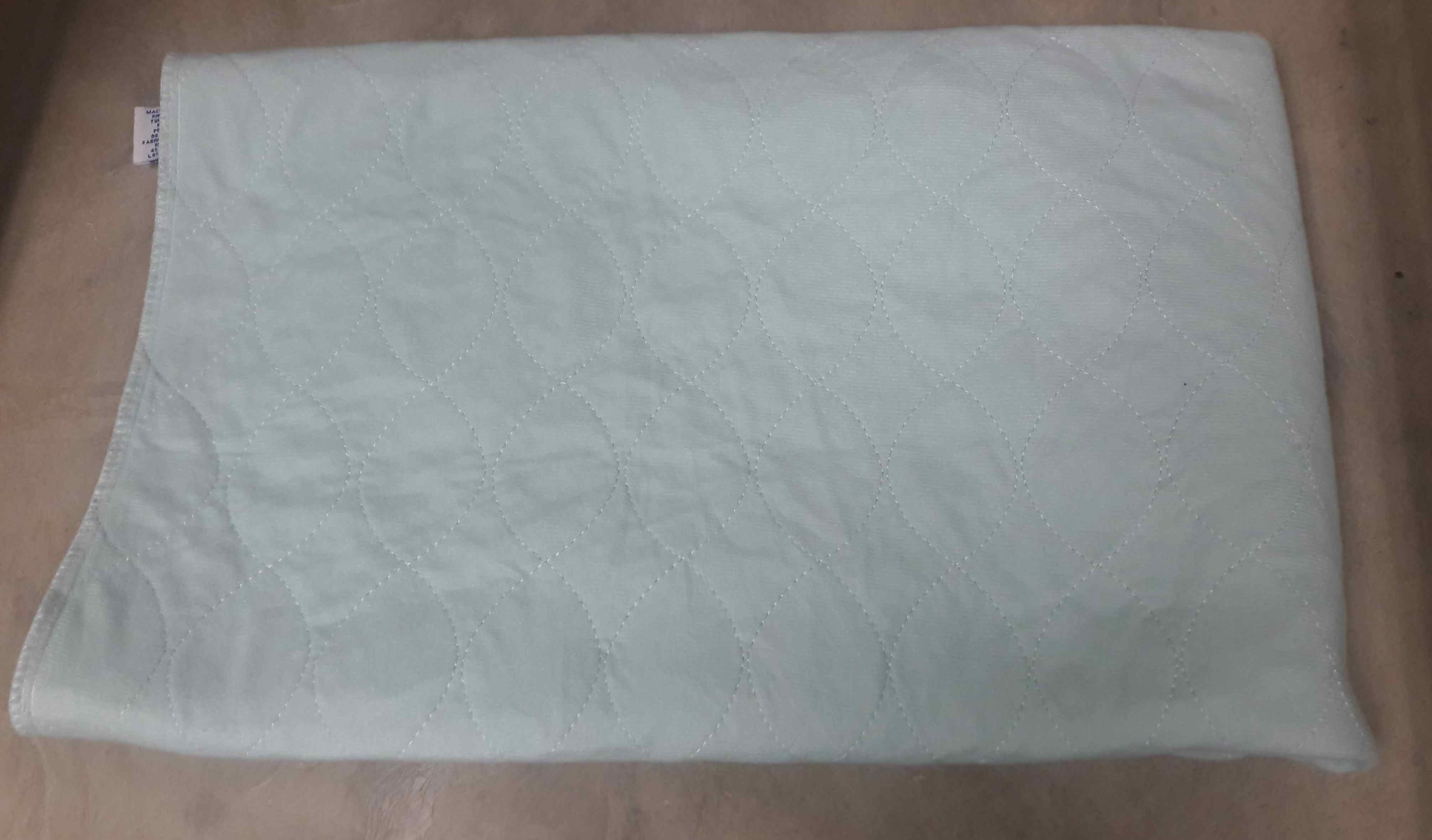
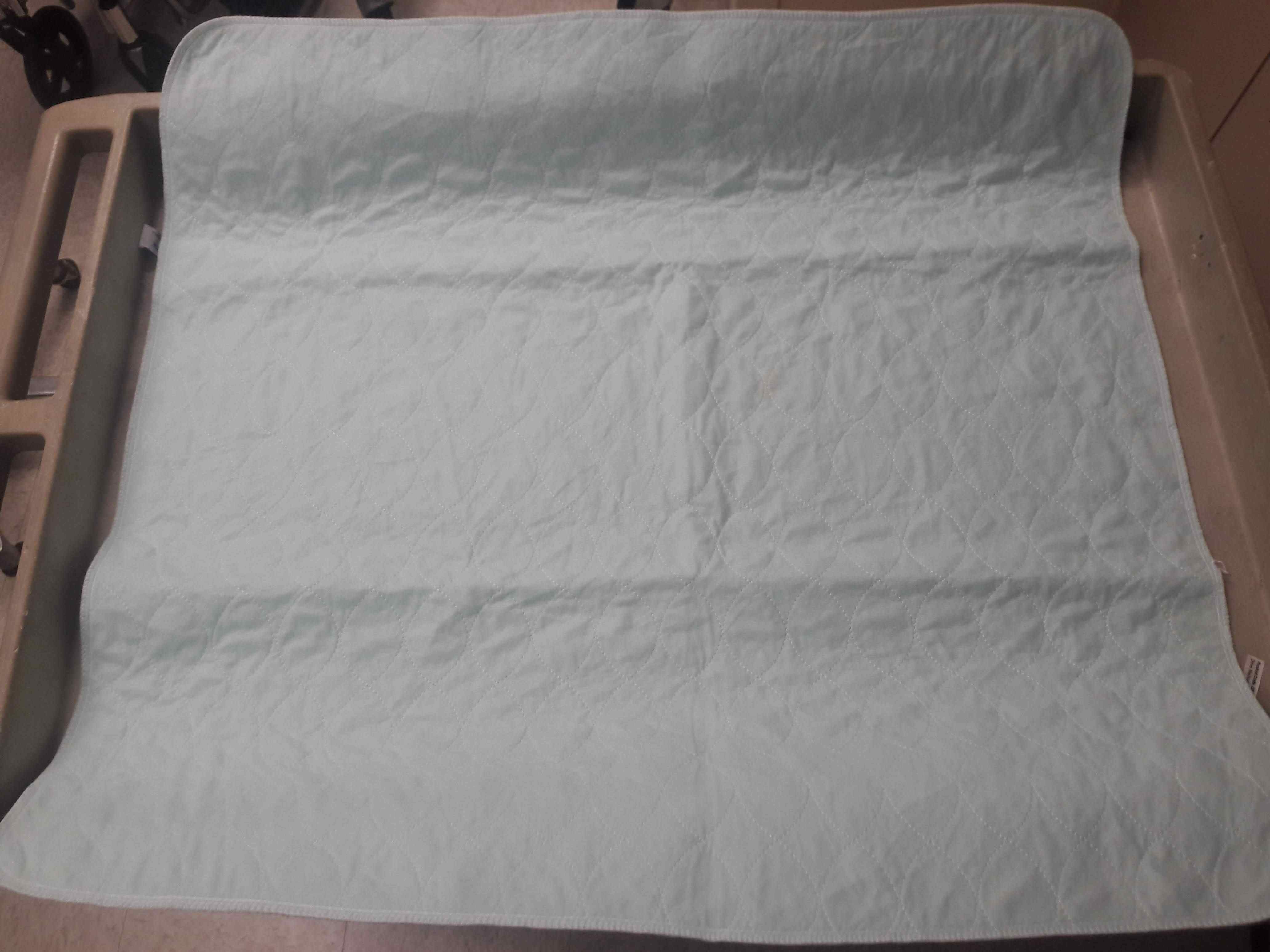
Incontinence pads are useful in many situations including
patients that aren’t even incontinent. They are often also used to reposition
patients who are on bedrest. They go underneath the patient’s bottom. They have saved me from having to change all of their bed linens many times.
They are often used in conjunction with an adult diaper. There
are disposable ones as well as reusable ones and are either square shaped or
slightly rectangular. They all come in about the same size give or take a few
inches however, the bigger, the better.
Table of Contents
A Common Mistake
Incontinence pads seem simple enough to use but one common
mistake I have seen time and time again is where exactly it is placed
underneath the patient. I see many caregivers positioning the top of the pad at
the top of the patient’s back.
From my own experience, I have learned to put the top just
slightly above the hips. They almost always slide up towards the patients back
over time especially with adjustable beds. Patients constantly slide to the
bottom of the bed and the incontinence pad will not slide with them. It’s not
anybody’s fault, it’s just gravity.
Pulling a Patient Up
One of the most common uses of incontinence pads besides
saving a bed from being changed is sliding bedridden patients up towards the
head of the bed. A z slider makes this even easier. You will need two people, one on each side of the bed. If the
patient is heavy, it never hurts to ask for more help, just make sure everyone
is on the same page.
Make sure the bed is completely flat. Some beds, especially
ones at hospitals and similar facilities have an adjustment called trendelenburg.
This tilts the entire bed backwards so gravity can assist with pulling the
patient upwards.
I usually hold the end at the patient’s hips with one hand,
and hold it almost to the bottom at their legs with the other hand. I have seen
other caregivers hold it at the end with the patient’s hips with both hands.
Just make sure you match the same way the other caregiver is holding the
incontinence pad or it will become crooked once you slide the patient up.
You should tell the patient to cross their arms or “hug themselves”,
and lift their head. If the patient is unable to do these things, cross their
arms for them, and one of you will have to support their head in order not to
put strain on their neck.
If available, put a pillow at the headboard just in case one
of you pull the patient up a little too far. They should never be pulled up
that far but it’s always better safe than sorry.
Make sure the patient doesn’t try to lift their hips or push
with their feet and believe me when I say many will try if they are able. This
will only work against what you are trying to do.
After the patient is ready, tell the other caregiver on the
count of three to slowly but forcefully pull the pad upwards. Make sure you do
this gently. It may be difficult, especially with heavier patients or patients
that just had certain surgeries. This can easily become uncomfortable for them.
Turning a Patient
Incontinence pads can also assist in turning a patient.
Whatever the reason may be whether it is to reposition them, change their adult
diaper, or to change the actual pad itself, it can really help.
It is best to place one on the bed before the patient gets
in the bed but it is still possible to put one underneath them after they are
on the bed. You will just have to be extra gentle and grab the patient instead
of the pad.
Just stand on the side of the bed where you want the patient
to turn. If they are able, ask them to grab the side of the rail, if the bed
has one, on your side with their arm on the opposite side. When the patient is
ready, grab the pad at the opposite end you are standing at and pull it upward
and towards you assisting the patient onto their side.
Shop incontinence pads on Amazon
Save This Guide
